

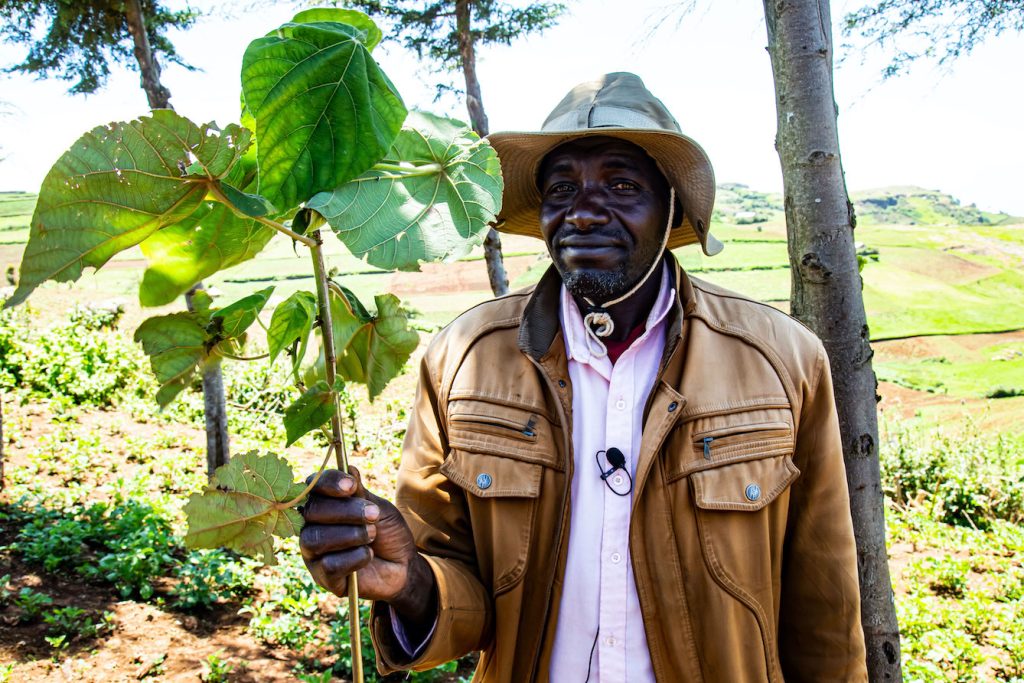
Francis Barbel 57 years old is a living link between traditional wisdom and modern survival. In a place where the nearest clinic is miles away, where electricity is absent and where access to the forest is restricted, he brings care, dignity and hope to his people. He is a farmer, a born-again Christian, a husband and most of all, a traditional herbalist. He lives in Matupso village, part of the Yatui Parish in Kween District. He belongs to a small minority group of people in Eastern Uganda called Mosopisyek, whose life changed forever in the 1980s. For generations, the Mosopisyek people lived deep within the Mount Elgon forest. The forest was their home, their school, their pharmacy. But between the early 1980s and 1990, they were evicted to make way for forest protection and the creation of Mount Elgon National Park. The Uganda Wildlife Authority (UWA) declared it a protected area. While the decision was made in the name of conservation, it came with a heavy price, the people lost their land, their way of life and their access to the very forest that had always sustained them. Today, decades later, the Mosopisyek are rebuilding, one step at a time. And people like Barbel are at the heart of that journey.
Learning from the forest and his father
Barbel’s story begins with his father, now 95 years old who passed down the knowledge of healing through herbs. Back when they lived in the forest, there were no hospitals or clinics nearby. If someone was sick, injured, or in pain, it was the forest that offered help. Plants, tree bark, roots and leaves were their medicine. Barbel stopped school in Primary Three. The distance to the nearest school from their forest home was too far for a young child. But his education came from nature and the elders around him. For more than 25 years, he has used that knowledge to treat illnesses such as malaria, pneumonia, diabetes, high blood pressure, burns, sexually transmitted infections and more. He sometimes plays a midwives’ role to help women during childbirth as a traditional birth attendant.
How Barbel heals
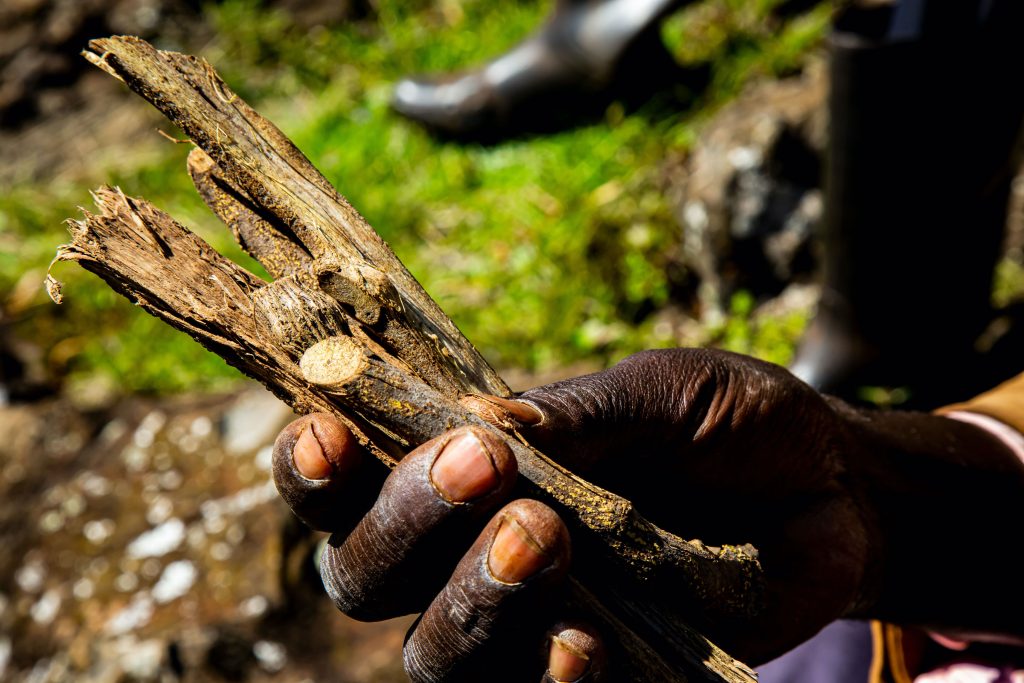
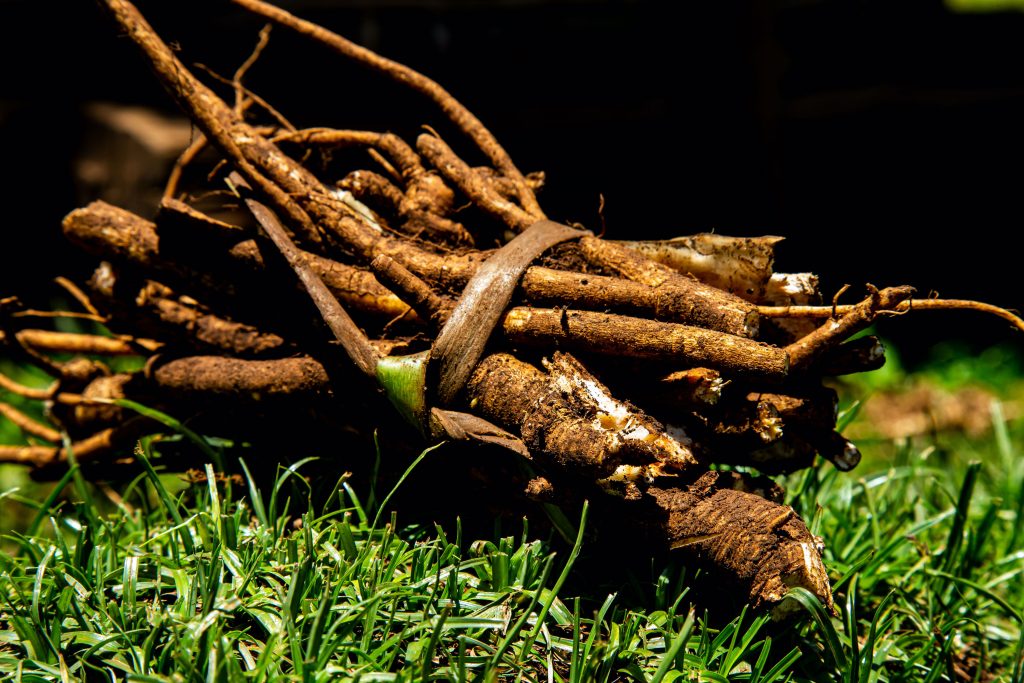
Barbel treats his patients with care and experience. He begins by observing them, asking about symptoms, and if needed sends them to hospitals for tests. When they return with results, he uses that information to guide treatment.His herbal remedies are prepared with precision. Every Saturday, when UWA allows them limited access to the forest, he gathers only what he needs for the week. He dries the plants under the sun and stores them carefully. Some herbs are boiled, some are chewed, and others are applied directly to wounds or sore areas. He matches each plant to a particular illness or set of symptoms. Barbel’s rule is clear, “Never mix traditional herbs with modern medicine.” He further says doing so may cause harm because some herbs and chemical drugs can interact badly. Even doctors in the nearby hospitals agree with him.
When forest access comes once a week
Though the forest gave them life for generations, access is now limited. Barbel and other herbalists are only allowed to enter once a week—on Saturdays. This limits the amount of medicine they can collect and makes it hard to respond to emergencies. Some plants grow too deep in the forest. Others that grow in the open moorlands cannot survive where the Mosopisyek now live. The herbalists also face other challenges:
●They work without electricity.
●They lack money to grow or preserve herbs properly.
●They cannot freely say they are herbalists due to fear of laws from the government.
●And they are cut off from other herbalists across Uganda, making it hard to learn new things or share ideas.
Still, Barbel keeps going. He believes his work matters too much to stop.
Seeds of the future
To protect what he knows, Barbel has started planting some medicinal plants in his own garden. He doesn’t want to rely only on the forest anymore, especially when access could be taken away at any time. He is also working on getting formal permission from UWA so he can access the forest more freely and legally. His bigger dream is to bring herbalists in the area together under one association, so they can learn, share and be recognised for their role in community health. He also started teaching young people, just like his father taught him. He says training begins around age 25 and he shows his students the plants, the preparation and the rules of safe practice.
Balancing the old and the new
Barbel respects modern hospitals. When someone’s illness is serious or unclear, he sends them to get tested or treated. Doctors, in turn, sometimes refer patients to him for help with big wounds or care after bone fractures. He treats wounds and supports healing but for broken bones, he always recommends that patients first visit Kumi Hospital.
He has a few simple rules for his patients:
●Don’t mix herbal and hospital medicine.
●For sexually transmitted infections, both partners must be treated.
●No sexual activity until the treatment is complete.
●Take medicine early in the morning before eating and again at night before sleeping.
His patients trust him because they see results. Many say his medicine works faster and is easier to access than hospital care, especially when the nearest clinic is 6 km away and the nearest health center is 16 km from their village.
What others say about him
Barbel’s work is respected across the community. The doctors appreciate what he does. The people he treats are grateful and supportive. Even the local church is okay with his healing work because they see the difference it makes.He works with five others, including family members and young herbalists he mentors.
While older generations used to treat people for free and only received gifts in return, Barbel now asks for small fees or accepts what people can give. It helps him sustain the work and buy what he needs.
A voice in the silence
Barbel is a living link between traditional wisdom and modern survival. In a place where the nearest clinic is miles away, where electricity is absent and where access to the forest is restricted, he brings care, dignity and hope to his people. His dream is not just about medicine. It is about justice, knowledge and identity. It is about the right of the Mosopisyek people to be seen, heard and respected not just as a displaced community, but as keepers of knowledge, protectors of plants and healers of bodies and hearts.