

Across Uganda, women from Indigenous Minority communities are turning inherited knowledge, traditional skills and cultural products into enterprises. Now they want the markets, financing and recognition needed to take those businesses further.
There is a point where culture stops being something we simply inherit and becomes something we can build a future from. For women across some of Uganda’s Indigenous Minority communities, that point has already arrived.
In homes, workshops and community spaces, knowledge passed from one generation to another is being transformed into products, services and small enterprises. Traditional skills are becoming sources of income. Cultural materials are becoming products with commercial potential and practices once confined to the community are beginning to find their way into wider markets.
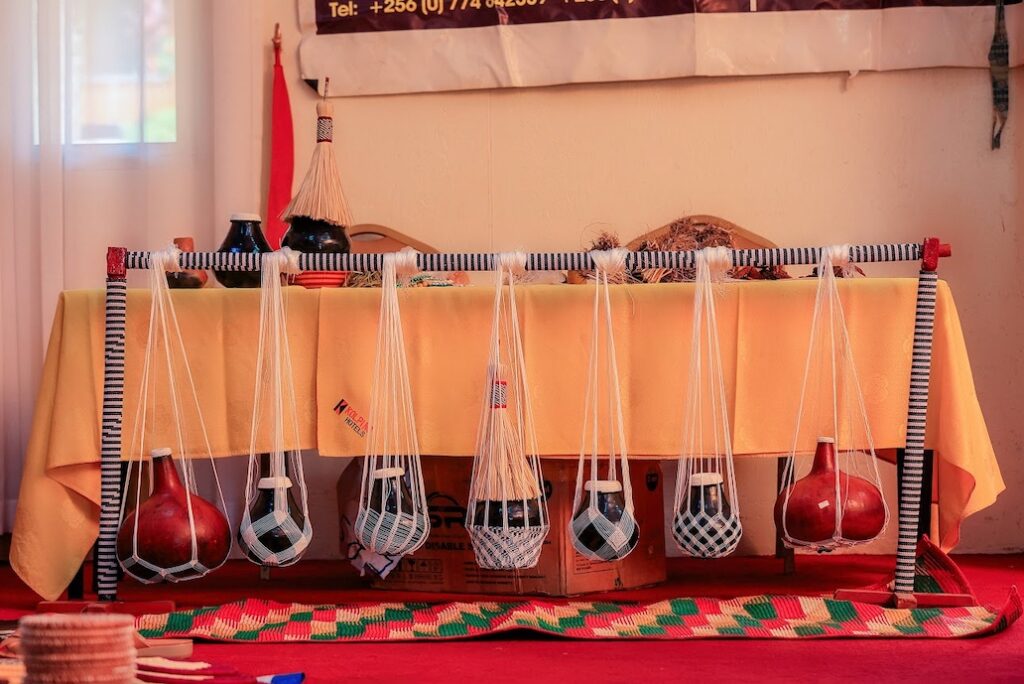
But the women behind these enterprises say there is a gap between having something valuable to offer and having the opportunity to build a business around it.
On 18 September 2026, women from communities including the Benet, Nubi, Basongora and Batuku gathered at Kolping Hotel in Kampala for a dialogue organised by the Cross-Cultural Foundation of Uganda (CCFU).
Under the message, “Culture can create livelihoods, but cultural entrepreneurs need an enabling environment to make those livelihoods sustainable.”
They are asking for markets, appropriate financing, business skills, stronger partnerships and recognition within Uganda’s wider enterprise development programmes.
At the centre of the conversation was a simple but powerful question: “What would happen if cultural enterprises were given the same seriousness, opportunities and support as other businesses?”
The Business Hidden Inside Heritage
For these women, culture is not an abstract idea, it is something they know how to do.
It can be found in the making of crafts, the preparation of traditional products, the preservation of indigenous knowledge and the creative use of materials and skills that have travelled through generations.
These practices carry stories of community, identity and place, but they can also generate income, that dual value is important.
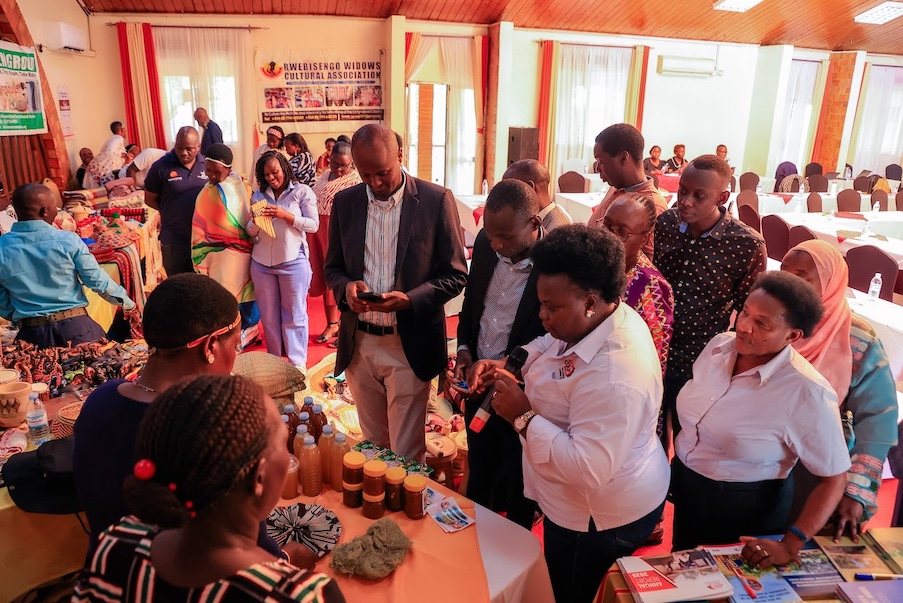
A cultural enterprise can preserve knowledge while creating a livelihood. It can keep an artistic tradition alive while putting food on a family’s table. It can provide an income for a woman while creating opportunities for others within her community.
This is why the women at the Kampala dialogue are asking for cultural enterprises to be understood as real businesses.
As Jimia Sekanja of the Fuluka Tanubi Women’s Association put it, their culture provides skills, knowledge and products that can become livelihoods. What they need is the opportunity to reach larger markets, access financing and develop the skills required to grow.
The aspiration is not simply to produce more but to build enterprises capable of surviving and competing.
The Market Is the Missing Link
One of the most pressing challenges raised during the dialogue was market access.
Many community-based enterprises already produce culturally rooted goods. The challenge is finding reliable buyers beyond their immediate communities which creates a difficult cycle.
An entrepreneur may have the skill to make a product, the knowledge to maintain its cultural integrity and the determination to run a business, but without dependable markets, production remains small.
Large orders become difficult to fulfil as investment becomes risky and an enterprise that could potentially employ others remains at survival level.
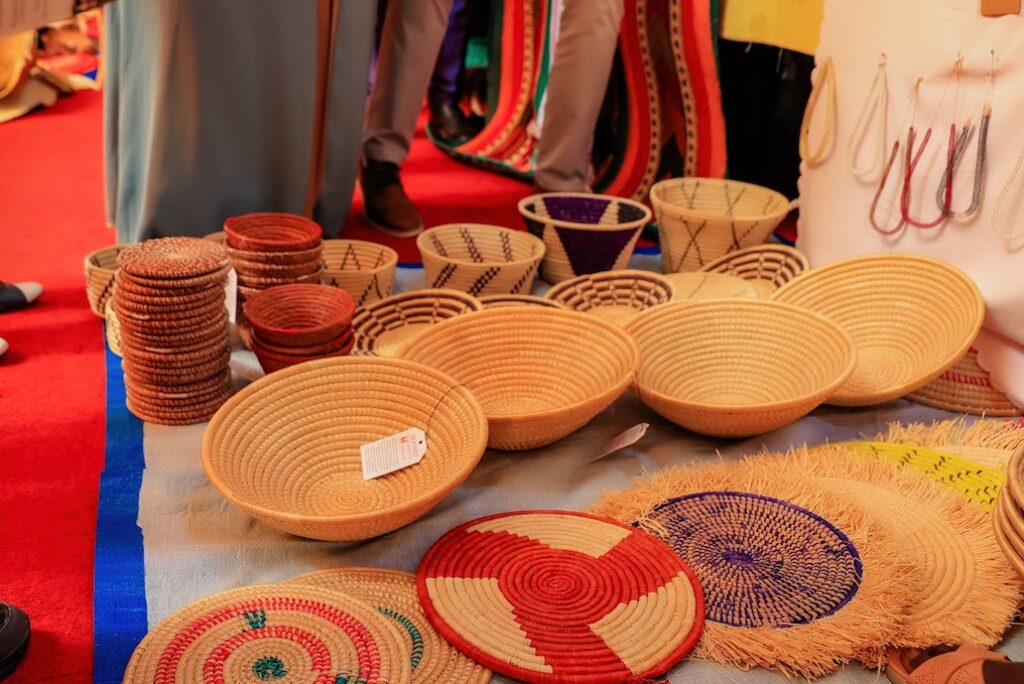
The women called for stronger connections to exhibitions, trade fairs, tourism opportunities, private-sector partnerships and digital platforms which is particularly significant for Uganda’s tourism industry.
Visitors are increasingly interested in experiences that connect them with local communities, crafts, food, stories and traditions. Cultural enterprises can therefore become part of the tourism value chain, giving travellers opportunities to purchase products while creating direct economic benefits for the communities that produce them.
The opportunity is there but the challenge is building the bridges that connect the producer to the customer.
Finance That Understands Cultural Enterprise
Capital is another part of the equation.
For a small cultural enterprise, growth can depend on seemingly simple investments, purchasing raw materials, acquiring better equipment, improving packaging, developing a brand, marketing products or increasing production capacity to fulfil a major order.
But access to financing is not always designed around the realities of such businesses.
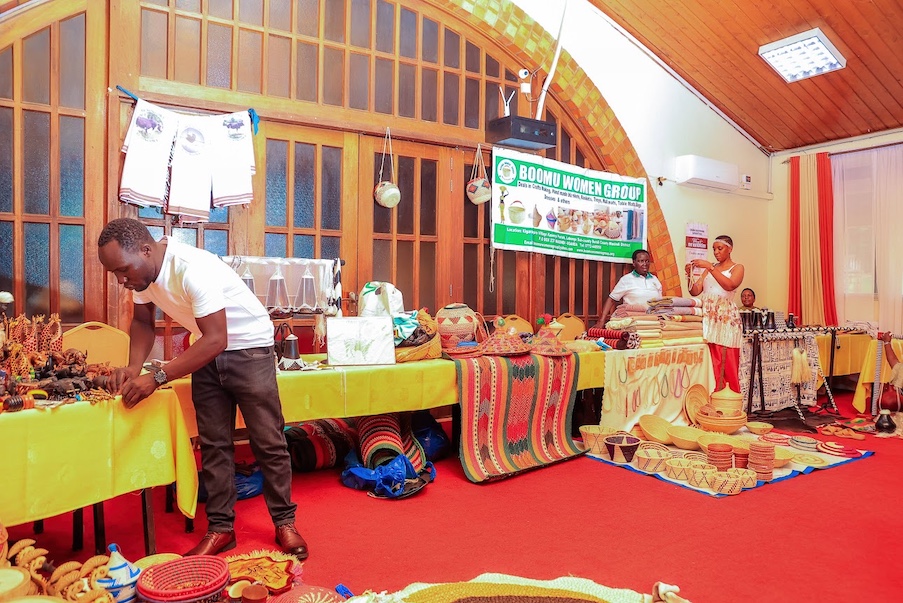
The women called for funding opportunities that recognise cultural enterprises as viable economic ventures rather than treating them as informal activities or purely social initiatives.
That distinction matters.
A woman producing a culturally rooted product may be preserving heritage, but she is also managing inventory, calculating costs, negotiating with customers, meeting orders and trying to make a profit.
She is an entrepreneur and her cultural knowledge is part of her business asset. Her community is part of her value chain and her enterprise has the potential to contribute to household income and local economic resilience.
Skills Beyond the First Training
Money alone will not solve the problem.
The women also highlighted the need for continuous capacity building. Running a cultural enterprise requires skills that extend beyond knowing how to make a product.
There is financial management, pricing, product development, branding and packaging, digital marketing, quality standards and there is customer management and the ability to respond when demand suddenly increases.
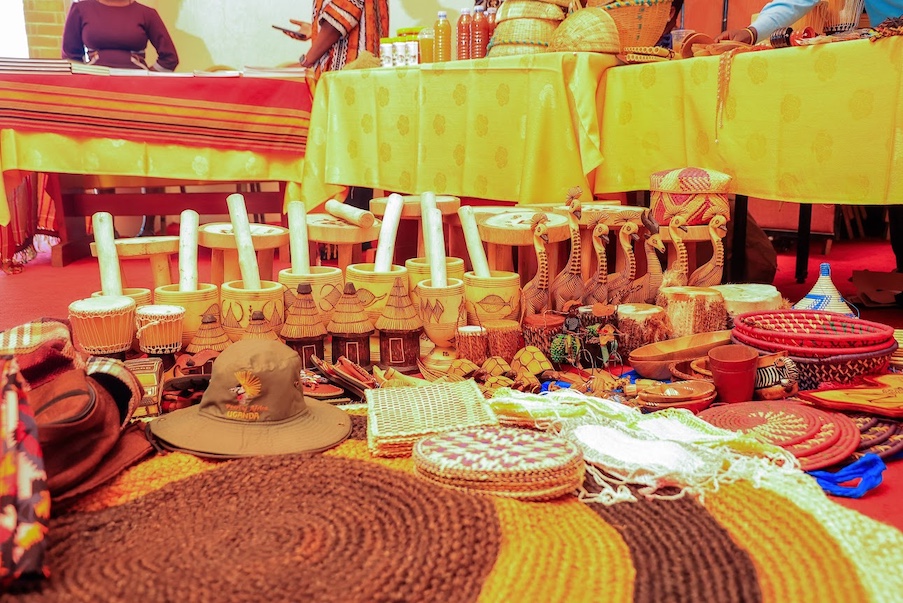
For many small enterprises, these are the skills that determine whether a good product remains a small community initiative or develops into a sustainable business.
The call, therefore, is not simply for one-off training sessions. It is for continued mentorship and practical support that grows alongside the enterprise.
Women at the Centre of Cultural Economies
There is another important dimension to this conversation, women are not simply participants in Uganda’s cultural economy. They are often its custodians and producers.
Through their enterprises, women are taking knowledge inherited from mothers, grandmothers and wider community networks and giving it an economic life.
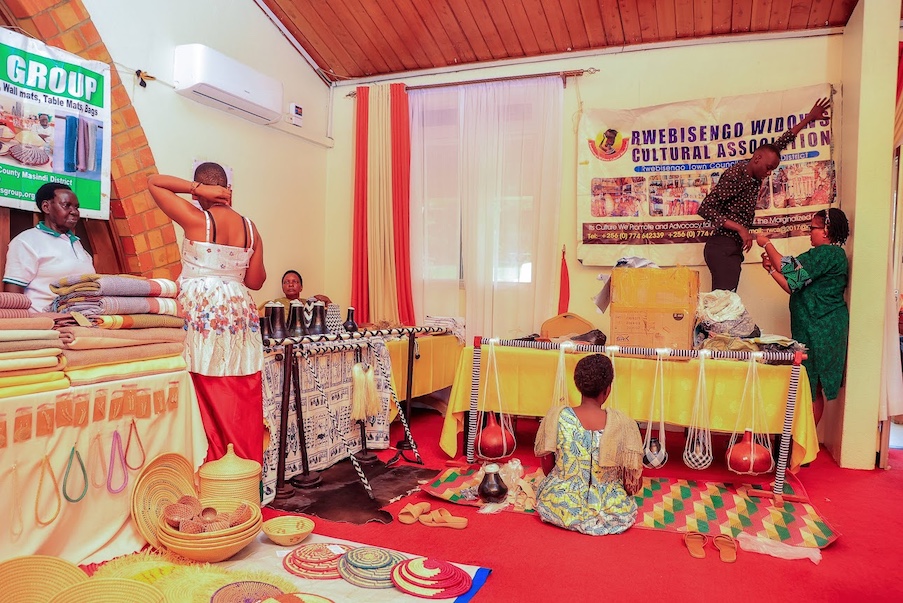
The income generated can support families, it can create opportunities for other community members and it can encourage younger generations to value skills that might otherwise be lost.
This makes cultural enterprise a particularly powerful pathway for women’s economic empowerment.
When a woman can earn from knowledge that already exists within her community, development does not have to begin by replacing that knowledge, it can begin by recognising its value.
From Survival to Sustainable Growth
CCFU has already supported more than 20 cultural enterprises through grants, training, exhibitions and market linkages, with support from partners including the Arcus Foundation, Bread for the World and TotalEnergies.
That work points to an important lesson that targeted support can help cultural enterprises move forward but the dialogue also acknowledged that more needs to happen.
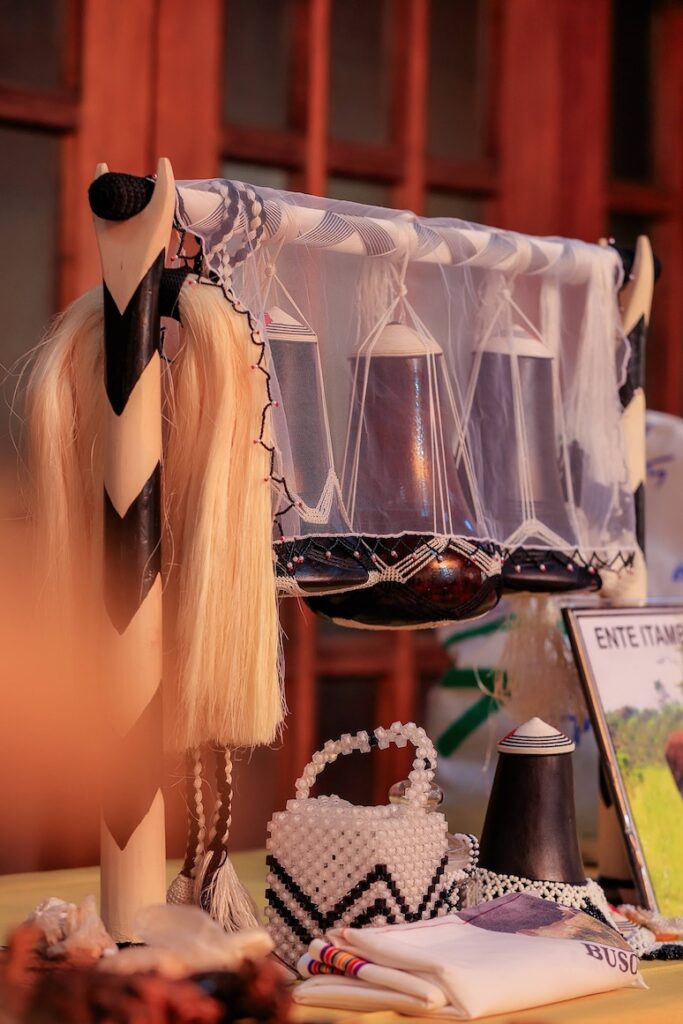
The bigger question is how these enterprises can move beyond short-term assistance and build the structures needed for long-term growth. That means stronger market connections, appropriate financing, business development, policy recognition.
And it means collaboration between government, the private sector, cultural institutions, academia and the entrepreneurs themselves. The women are not asking to be separated from Uganda’s wider economic development agenda but to be included in it.
Culture as an Economic Resource
For years, conversations around cultural heritage have often centred on preservation.
How do we protect traditions? How do we safeguard indigenous knowledge? How do we ensure that cultural practices survive? Those questions remain important but there is another question that deserves equal attention, “How can the people who carry that knowledge benefit economically from it?”
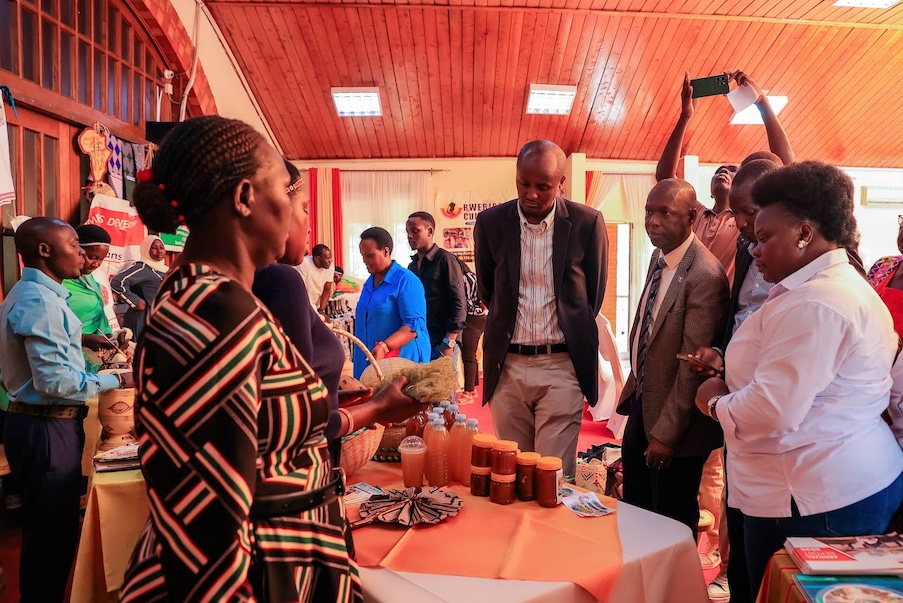
That is where cultural enterprise becomes powerful, culture can be protected through use.
A craft that generates income has a stronger chance of remaining relevant to younger generations. A traditional skill that creates employment has a reason to be passed on. A cultural product that finds a market creates an incentive for its continued production.
Economic value, when developed ethically and with community ownership, can therefore become part of the preservation strategy itself.
Building the Bridge Between Heritage and Opportunity
Uganda has an extraordinary cultural landscape.
Its communities hold knowledge in food, crafts, music, dress, storytelling, agriculture, architecture and countless other practices. Yet cultural wealth does not automatically translate into economic opportunity.
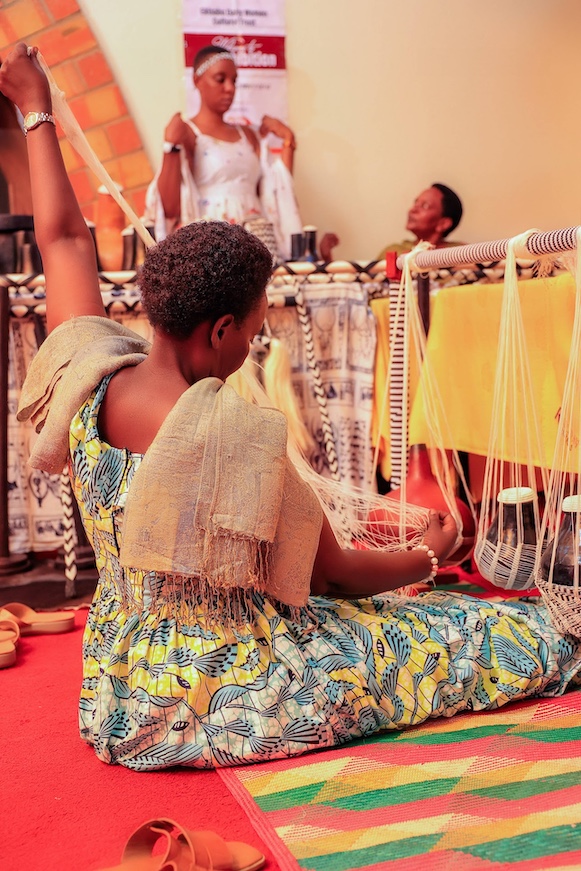
There has to be a bridge, which can be tourism, digital commerce, design and fashion. It can be exhibitions and trade fairs, in partnerships with private companies, in investment in branding, packaging and product development.
And it can be policy that recognises cultural enterprises as part of the country’s entrepreneurial ecosystem. The women gathered in Kampala were asking for that bridge to become stronger.
The Future May Be Rooted in What Communities Already Know
Perhaps the most powerful message from the dialogue is that development does not always require communities to abandon what they know and adopt something entirely new.
Sometimes the opportunity is already there in the hands of the artisan, in the knowledge of the elder, in the creativity of the woman running a small enterprise from her community, in the product made from locally available materials or in the story that has survived generations.
The task is to create the conditions under which that knowledge can become sustainable economic value without losing its cultural meaning. For CCFU, this is at the heart of its work, culture is not only something to protect. It is also a resource for livelihoods, enterprise development and community resilience.
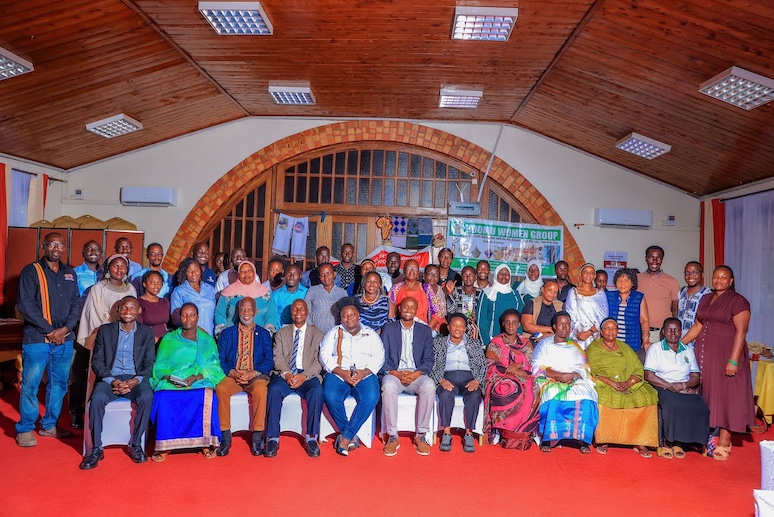
The women from the Benet, Nubi, Basongora, Batuku and other Indigenous Minority communities are now making that argument for themselves. They are not asking Uganda to see culture only as heritage, they are asking Uganda to see the enterprise within the heritage.
And perhaps that is the conversation the country needs next, not simply how to preserve the knowledge communities have carried for generations, but how to ensure that the people who carry it can build dignified, sustainable futures from it.
When cultural knowledge becomes a viable enterprise, the benefit does not stop with the woman who owns the business. It moves into the household, into the community, into the next generation and ultimately, back into the culture itself.